What Is a Mortise Lock and Why Do Older Homes Rely on Them?
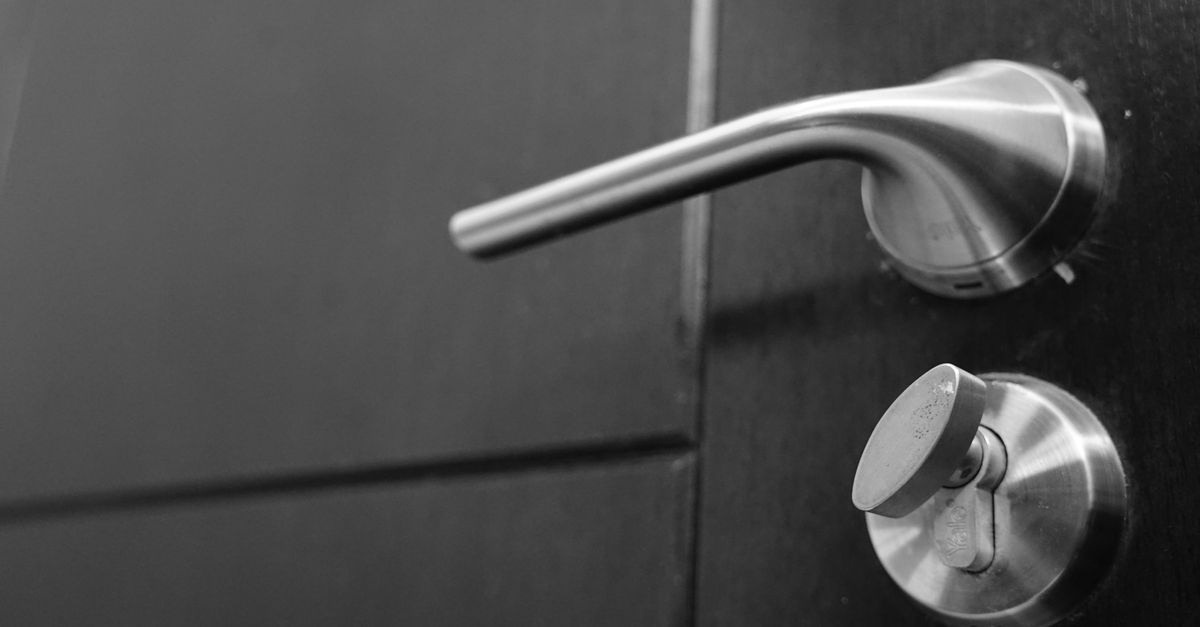
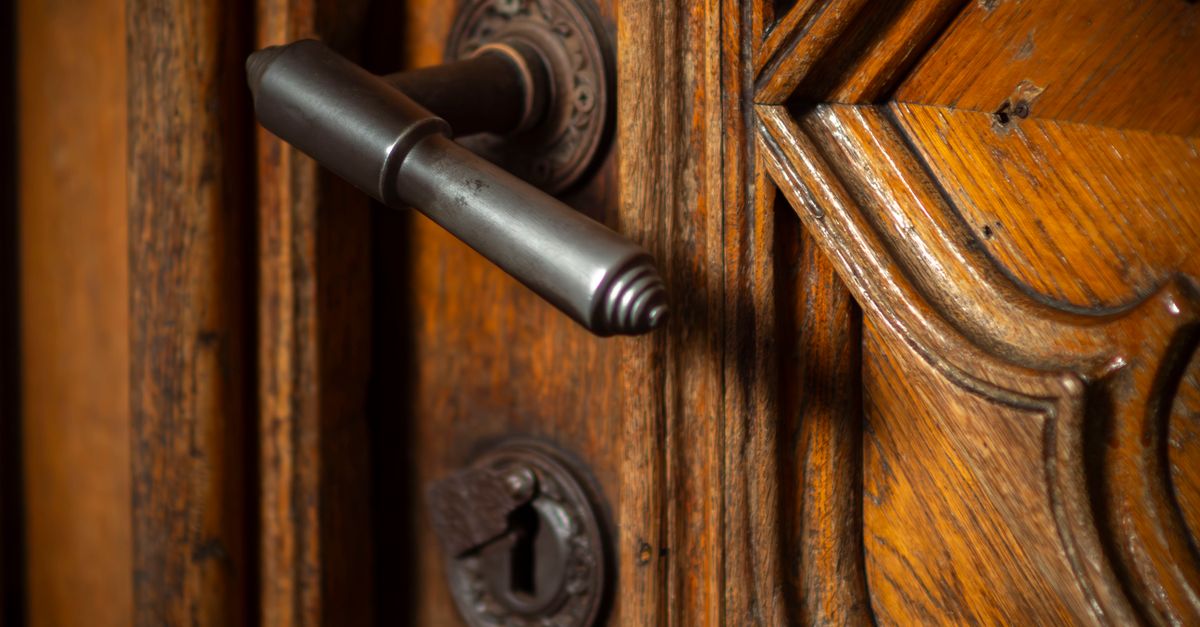
A mortise lock is a lock body that sits inside a rectangular pocket — the mortise — cut into the edge of a door, rather than sitting on the door's surface the way a cylindrical knob lock or deadbolt does. Because the entire mechanism is recessed, the assembly is inherently stronger: it distributes force across more of the door's thickness and is far harder to kick in or pry apart than a surface-mounted door knob lock. A complete mortise lock set typically includes the lock body, a separately keyed cylinder, an interior thumb-turn or lever trim, a face plate, and a strike plate mortised into the door frame. Pre-1970s homes throughout Parsippany-Troy Hills were almost universally built with these systems because they were the residential and commercial standard of the era — which is why our technicians see them every week in the older neighborhoods near Troy Hills Village and around the Intervale Road corridor.
The trade-off for that durability is complexity. A mortise lock body contains a hub, cam, springs, latch bolt, dead bolt, and case — all of which can wear independently. When one small spring loses tension, the latch stops retracting cleanly. When the cam wears, the thumb-turn feels sloppy. When the mortise lock cylinder corrodes from decades of use, the key binds on every single turn. These are not problems a tube of graphite lubricant can fix permanently, and forcing a stiff cylinder can snap a key off inside the plug — turning a minor inconvenience into an emergency locksmith call. Knowing the difference between a tune-up and a full replacement is exactly the kind of judgment our experienced technicians bring to every service visit.