What Broken Key Extraction & Emergency Repair Actually Involves
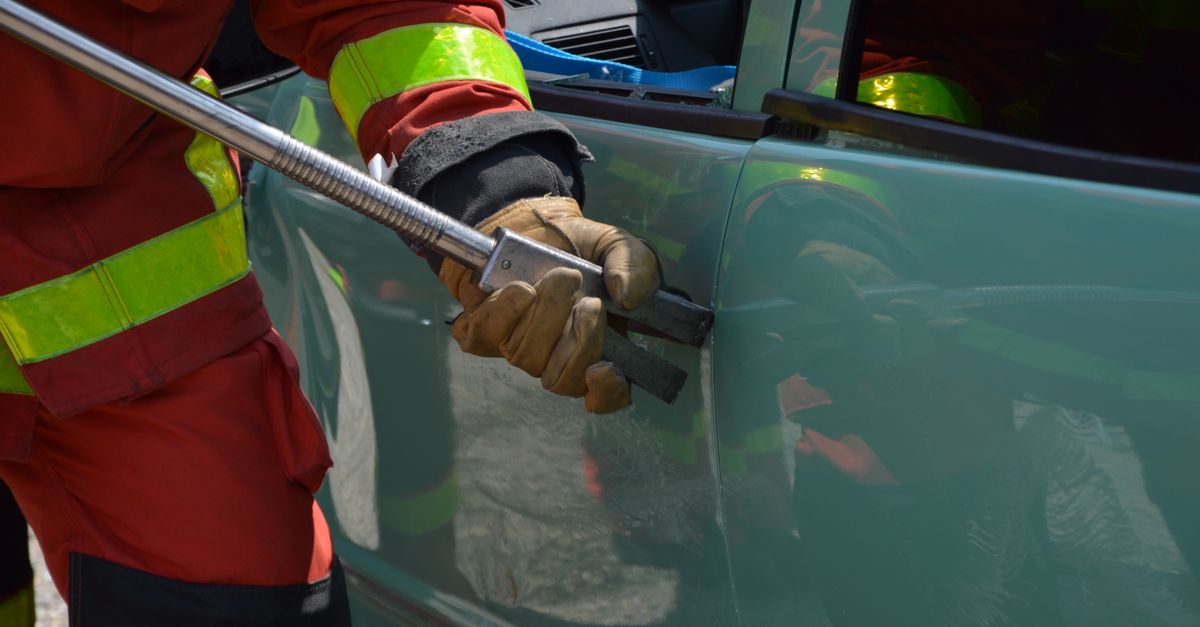
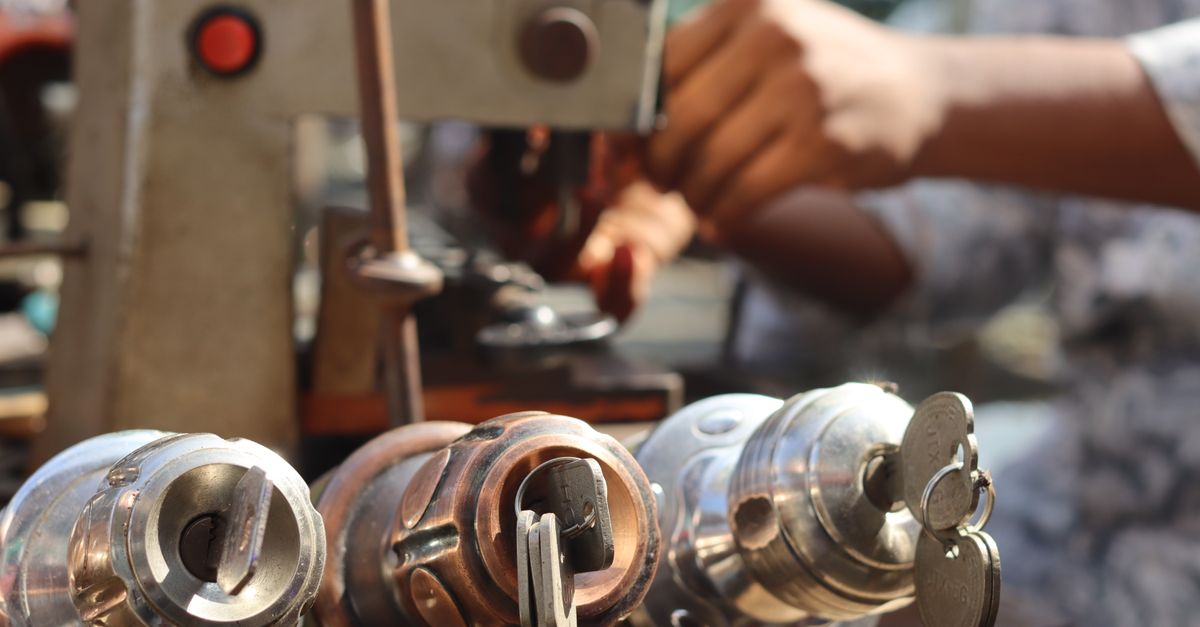
A broken key is rarely just a broken key. The real problem is usually a combination of factors: metal fatigue in a key that has been copied too many times, a lock cylinder that was already binding due to worn tumblers or debris, or a door that has shifted slightly in its frame — common in older Colonial-style homes throughout the Lake Parsippany and Troy Hills neighborhoods where settling foundations and humid New Jersey summers do a number on wood door frames. When a key snaps, the fragment left inside the cylinder can jam the plug completely, making it impossible to use a spare or to lock the door at all. Our technicians use precision extraction hooks, pick needles, and broken-key extractors sized to the specific cylinder profile — techniques that target the fragment without scoring the inside of the lock. When the cylinder walls are already damaged, we assess on the spot whether a rekey will restore full function or whether a cylinder replacement is the smarter long-term call.
Emergency repair goes beyond extraction. Once the fragment is out, we test the lock under normal operating conditions. If the cylinder turns stiffly, the springs or wafers may be worn. If a mortise lock body is the culprit — the rectangular mechanism set into the edge of a door common in older commercial buildings and classic NJ ranch homes — the problem could be a failed cam, a broken spindle, or a case that has cracked under long-term stress. Our mobile units carry mortise lock components for common residential and light-commercial applications, which means repairs that would otherwise require ordering parts can often be completed in a single visit.