What Panic Bar Installation Actually Involves for Commercial Doors
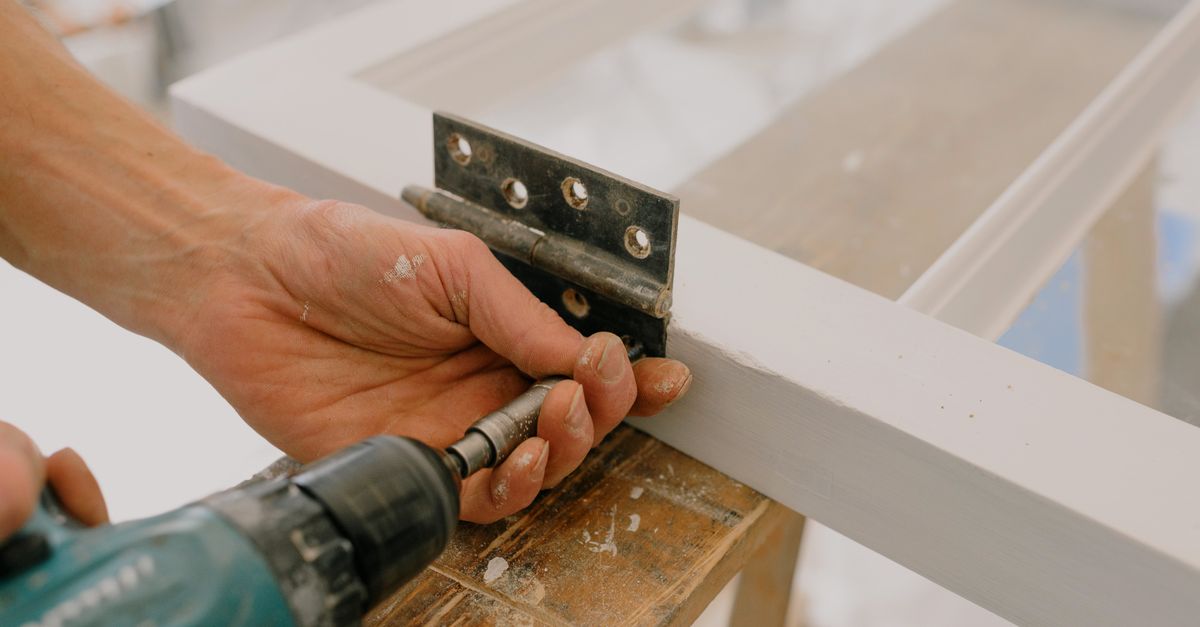
A panic bar — technically an exit device — does far more than a standard door handle. It spans the full width of a door, engages a latch or bolt the moment it is pushed, and must align precisely with the strike plate mortised into the frame. On a typical commercial door in Parsippany, installation means removing any existing hardware, measuring the door thickness and width, cutting or verifying existing mortise pockets, setting the device at the correct height per IBC egress standards, and testing the push-force under load. A rushed or misaligned installation can cause the bar to bind, the latch to miss the strike, or the door to fail to latch at all — creating both a security gap and a code violation.
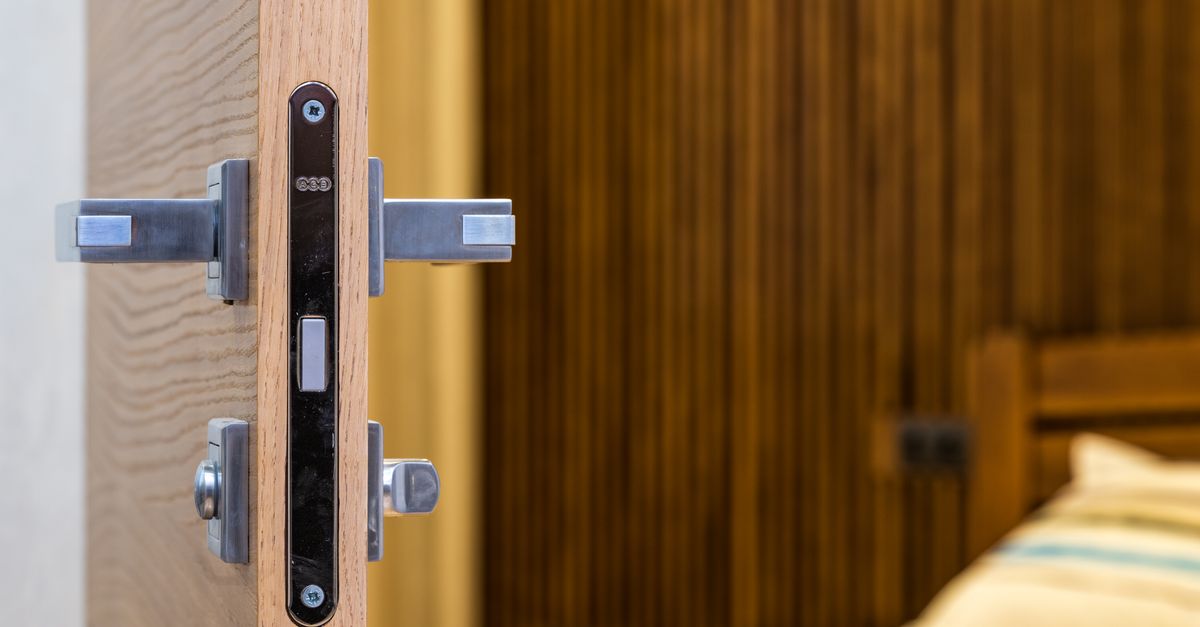
Our technicians work with surface-mounted rim devices, mortise-body exit devices, and vertical-rod systems used on double doors and fire-rated assemblies. When a customer specifically needs a panic bar with mortise lock integration — where the exit device body connects directly to a full mortise lock cylinder — the prep work is more involved: the mortise pocket must be exact, the cylinder must align with the cam inside the lock body, and the outside trim (lever or thumb-turn) must be set so that keyed entry works smoothly from the corridor side. This kind of panic bar mortise lock pairing is common in Parsippany office buildings where after-hours keyed access is needed on the same door that serves as a primary egress route during business hours.